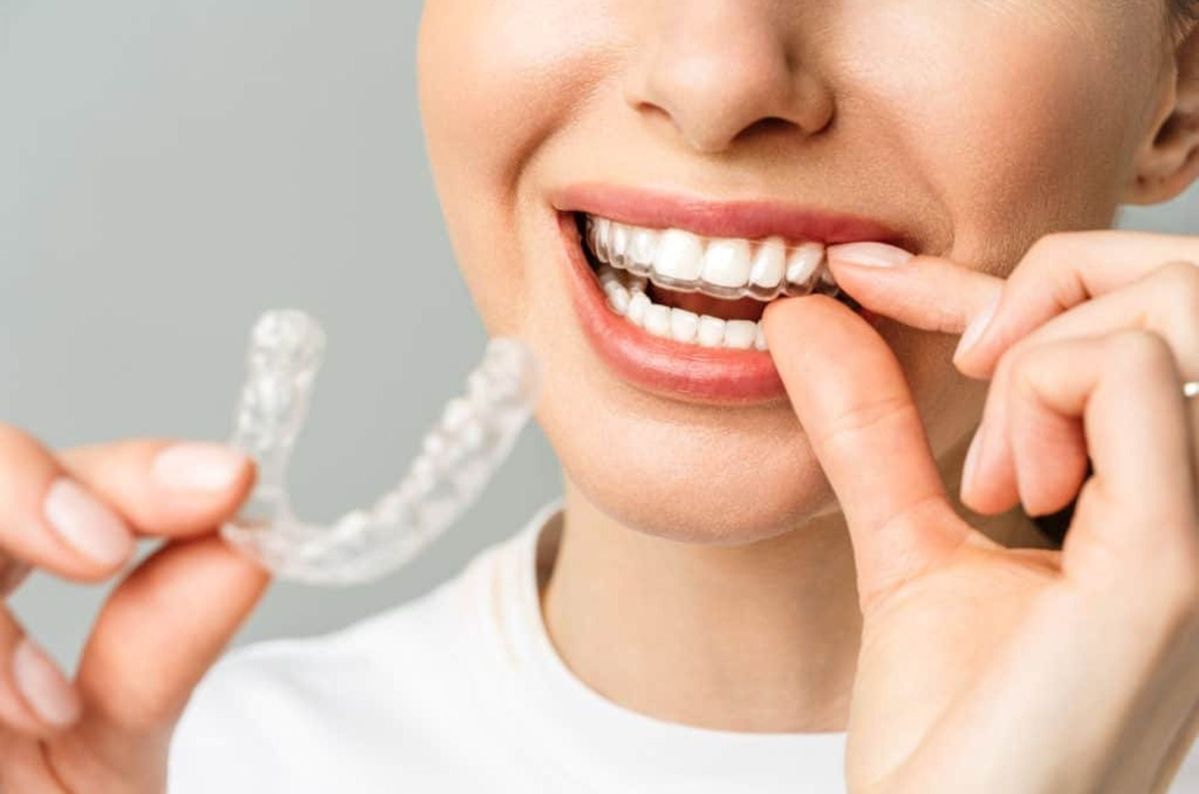
Do braces hurt? Learn what to expect, how long soreness lasts, and simple tips to stay comfortable during your braces journey.
Getting braces is a big step toward a confident, healthy smile—but one of the most common questions patients ask is:
“Do braces hurt?”
If you’re wondering do braces hurt, you’re not alone—this is one of the top concerns before starting treatment.
The short answer: you may feel mild, temporary discomfort—but nothing severe.
Most patients say braces are much easier than they expected.
The best way to understand this is by breaking it down into stages:
1. When braces are first placed
2. After adjustment appointments
3. Between visits
4. When braces are removed
Let’s walk through what you can expect so you feel confident from day one.
What Does Braces Pain Feel Like?
Most patients are surprised at how manageable the discomfort really feels once treatment begins.
Braces don’t cause sharp pain. Instead, most patients describe:
- Gentle pressure on the teeth
- Mild soreness when chewing
- Temporary sensitivity after adjustments
This level of discomfort is completely normal and expected during orthodontic treatment. Braces work by applying controlled pressure that gradually moves your teeth into proper alignment. That pressure is a sign your treatment is working.
Week-by-Week Braces Experience
Day 1: Getting Your Braces On
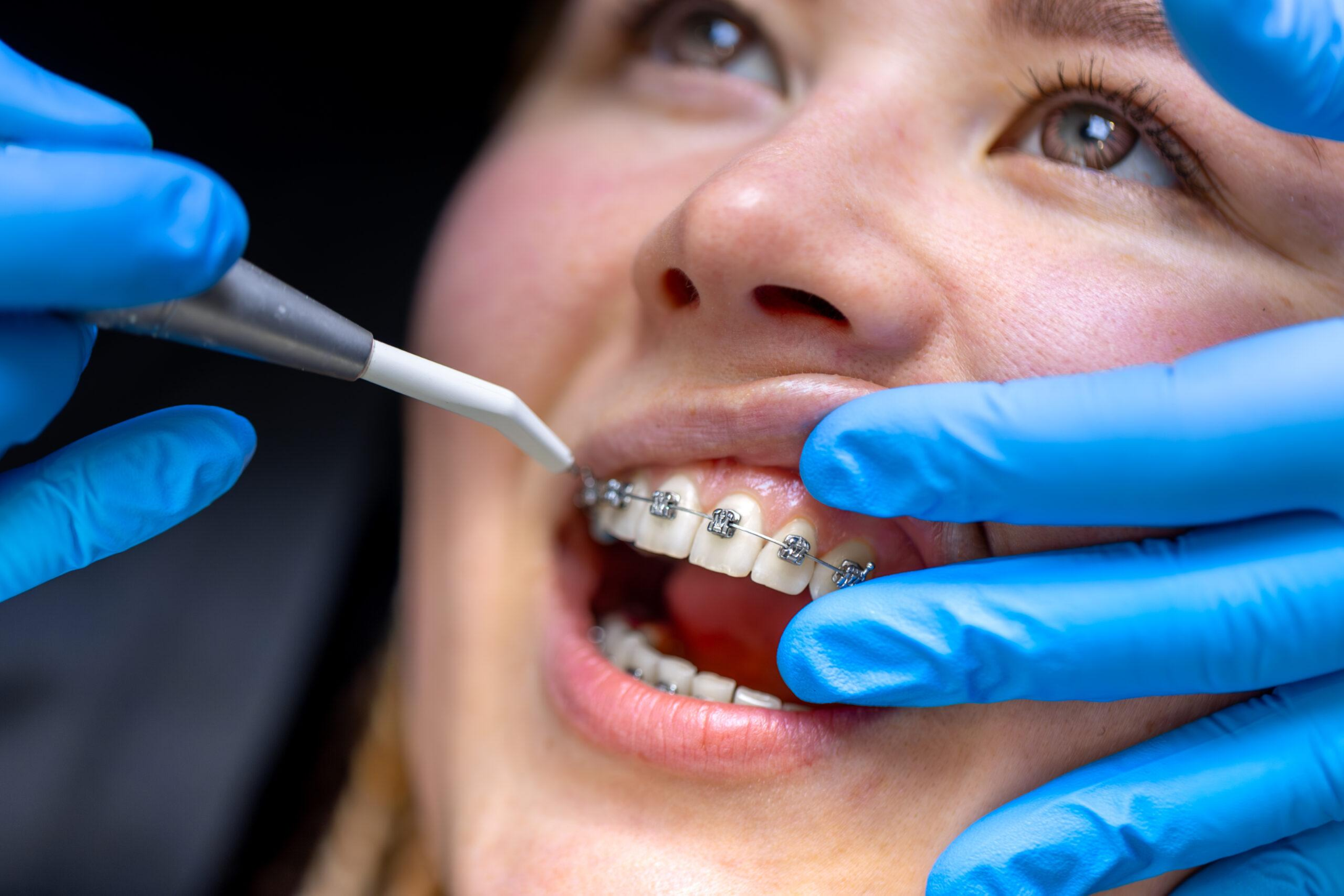
- No pain during the procedure
- Mild pressure once the wire is placed
- Lips and cheeks begin adjusting to brackets
Days 2–3: Peak Soreness
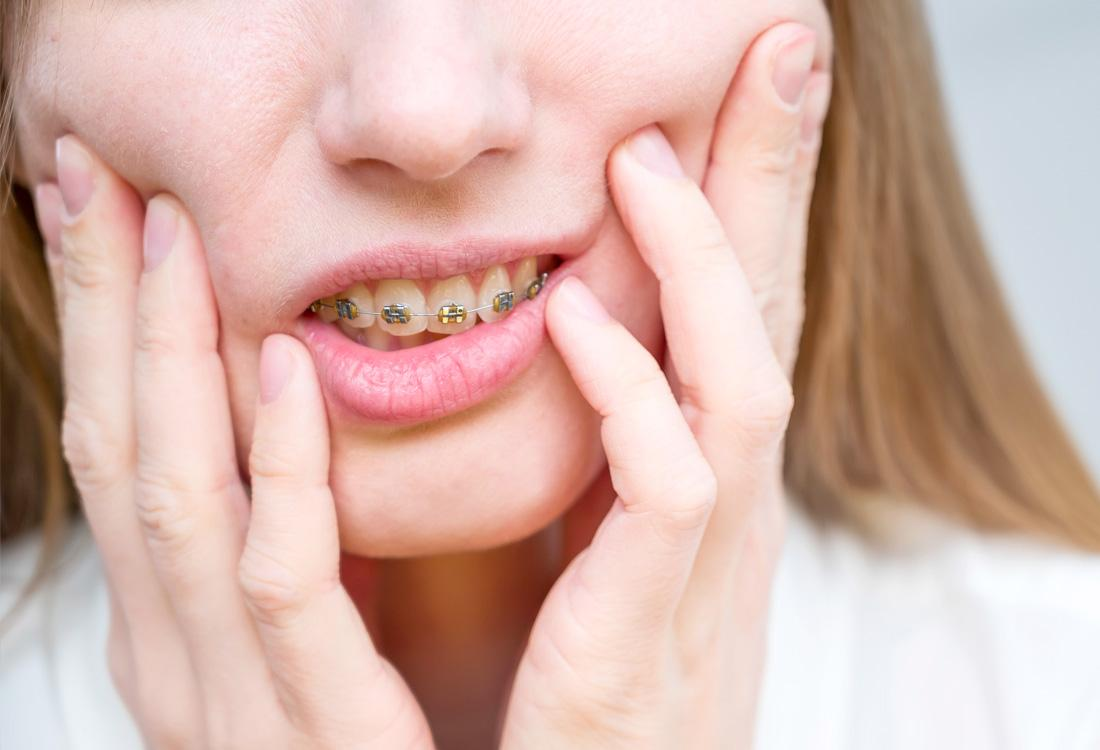
This is when sensitivity is usually at its highest—but it’s temporary. You just need to power through those first days!
You may notice:
- Tooth tenderness when chewing
- Minor irritation on cheeks and lips
💡 Relief tips:
- Take over-the-counter pain relievers like acetaminophen (Tylenol) and ibuprofen (Advil). Ask your doctor if you have any allergies or questions.
- Use orthodontic wax on high irritation spots
💡 Best Foods During This Stage: Stick to soft, easy-to-chew options like:
- Yogurt, smoothies (blended very well), apple sauce,
- Soups (creamy, puréed, or clear), mashed potatoes, oatmeal
- Scrambled eggs, avocado (mashed like guacamole)
- Soft beans, hummus (very smooth)
Continue avoiding very hard or sticky foods to prevent damage to your braces.
Days 4–7: Getting Used to It

By the end of the first week, most patients feel a big improvement.
You’ll notice:
- Soreness fades significantly
- Chewing becomes more comfortable
- Your mouth adapts to the presence of the braces and wires
💡 Tip: Slowly reintroduce soft solid foods like pasta, soft vegetables, and rice.
Week 2: Almost Back to Normal

At this stage, braces start to feel like part of your routine.
What to expect:
- Minimal discomfort
- Normal eating and speaking
After about a week (up to two weeks for more sensitive patients), gradually reintroduce tougher foods to see what’s comfortable.
Braces Pain After Adjustments: What to Expect
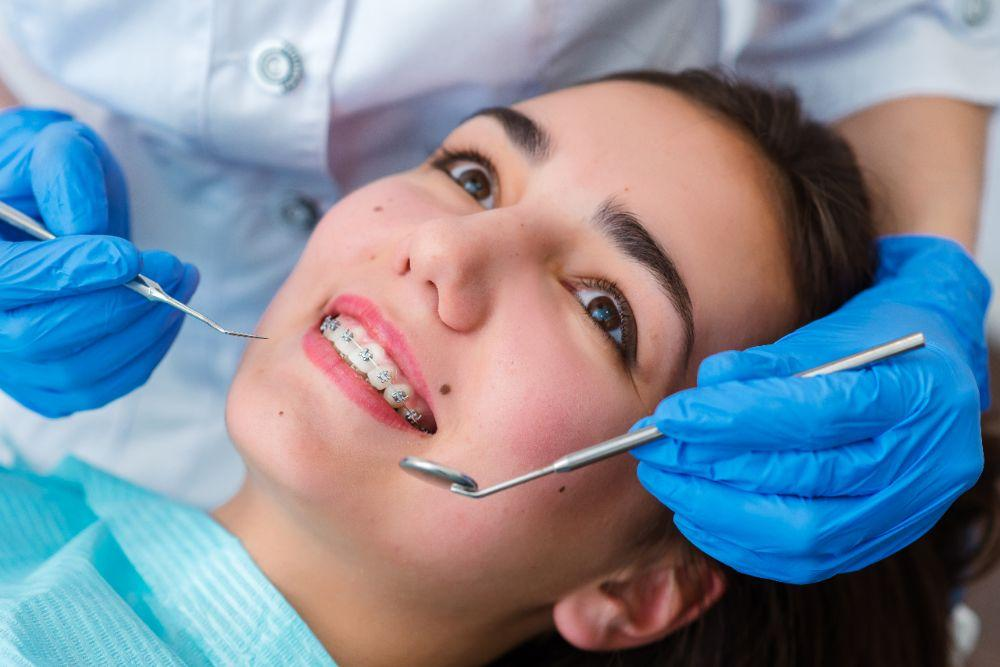
Every few weeks, your orthodontist will make adjustments to your wires and braces to keep your treatment progressing smoothly. Depending on the changes made, adjustments may bring back mild soreness—but less so than the first week after braces are placed, and for a shorter period.
You may feel:
- Light pressure for 1–3 days
- Mild soreness (less than the first week)
This is completely normal and expected.
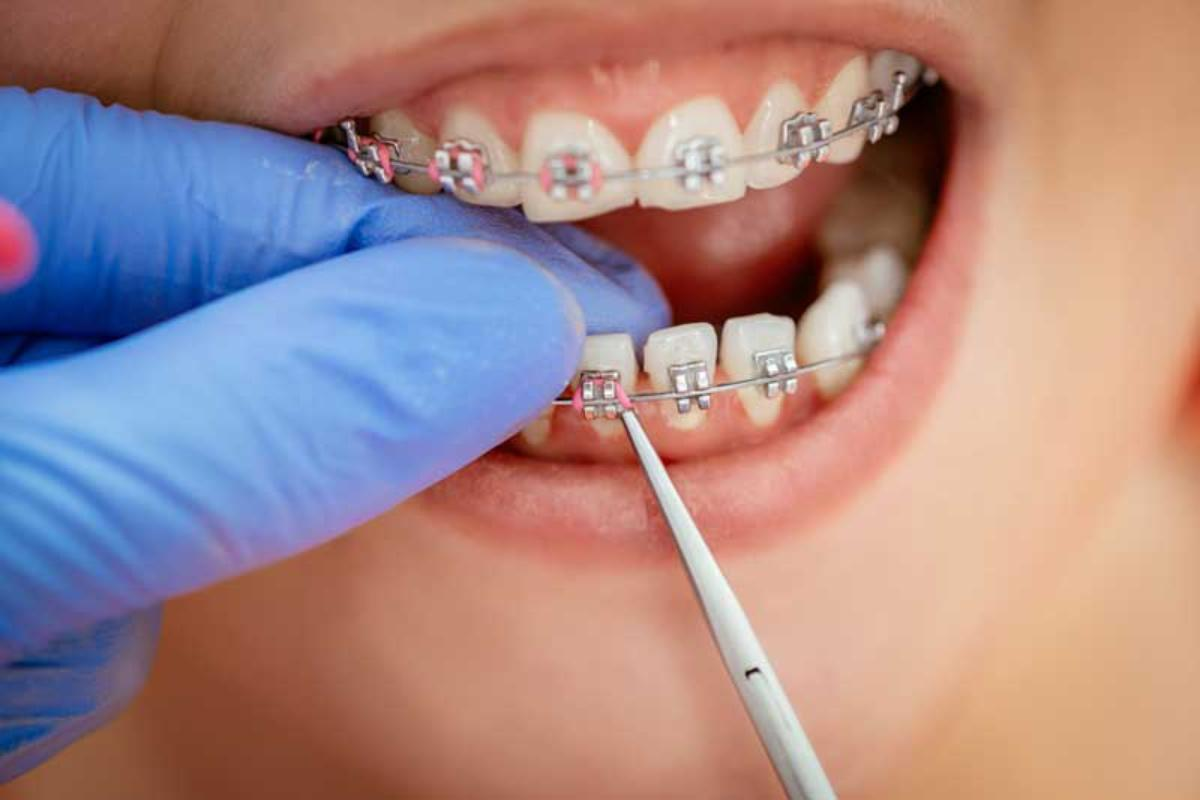
How Long Do Braces Hurt?
Most patients feel discomfort for 3-7 days after getting braces and 1–3 days after adjustments. This is sometimes slightly longer for adults.
How to Make Braces More Comfortable
Here are simple ways to reduce discomfort throughout your treatment:
- Stick to soft foods after adjustments
- Use orthodontic wax as needed to smooth spots if braces cause sores
- Stay consistent with brushing, flossing, and overall oral hygiene
- Follow your orthodontist’s instructions
When Should You Reach Out?
While mild discomfort is normal, we’re always here if you need us. Contact our team if you experience:
- Severe or prolonged pain
- Broken brackets or wires
- Sores that don’t heal
- Any concerns about your treatment
The Bottom Line (TL;DR)
Braces may cause temporary, mild discomfort, especially during the first few days and after adjustments—but it’s manageable and short-lived.
The first few days are the biggest adjustment, followed by mild soreness after future adjustments. Expect some soreness when adding something new—it’s a sign your treatment is progressing.
And remember:
✨ Every change and bit of soreness brings you closer to a straighter, healthier smile!
Ready to Start Your Smile Journey?
Looking for braces in Orem, Provo, Lindon, Vineyard, Pleasant Grove, or surrounding areas? Our experienced orthodontic team is here to make your treatment as comfortable as possible.
📅 Book your consultation today and take the first step toward a confident, healthier smile—most patients are surprised at how comfortable braces actually are.