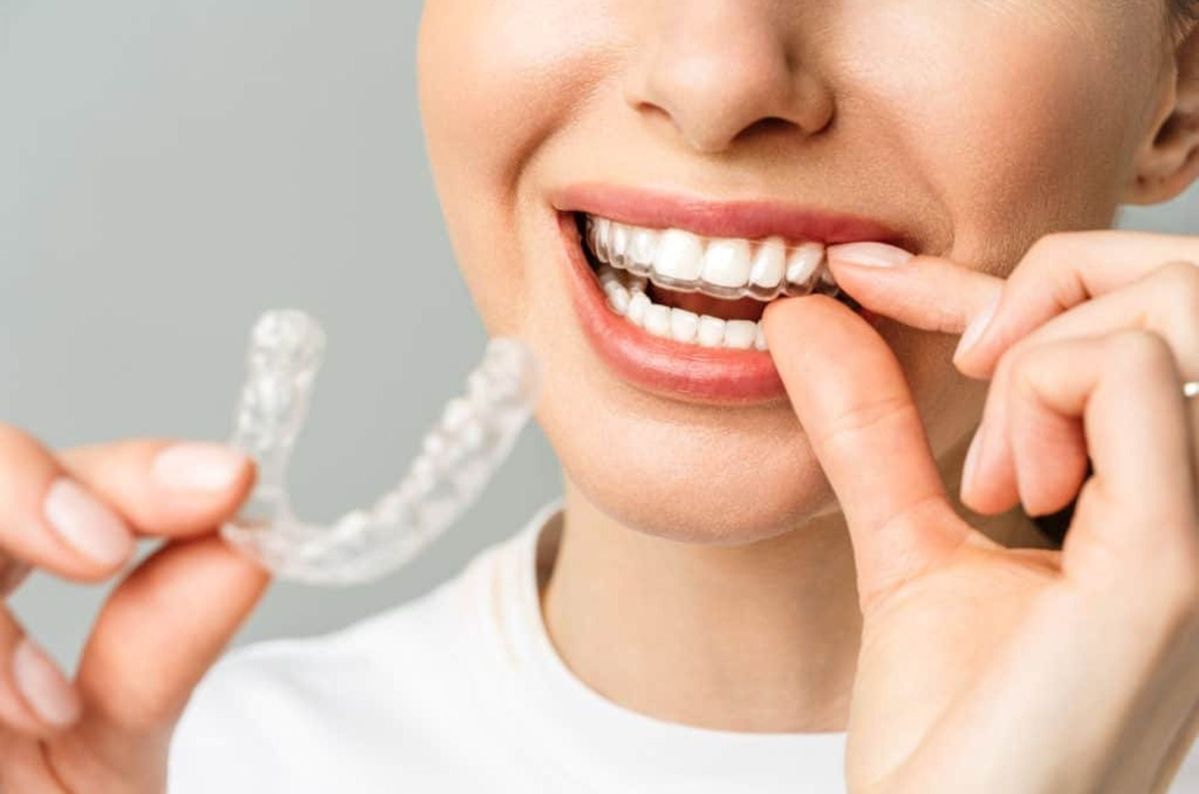
Discover 7 signs you may need braces, from crowded teeth to bite problems, and when to see an orthodontist for a healthier smile.
Do You Really Need Orthodontics (like braces)?
Many people assume braces are only about appearance, but orthodontic treatment is about more..
Straight teeth make it easier to keep your teeth clean. This may help improve oral health. A good bite can lead to better chewing function. In some cases, these changes can improve speech and reduce harmful tooth wear patterns.
So how do you know if it’s time to see an orthodontist?
If you’ve ever asked yourself, “Do I need braces?”, your teeth or bite may already be showing warning signs.
Here are 7 common signs you need to straighten your teeth according to orthodontic experts—and why they matter.
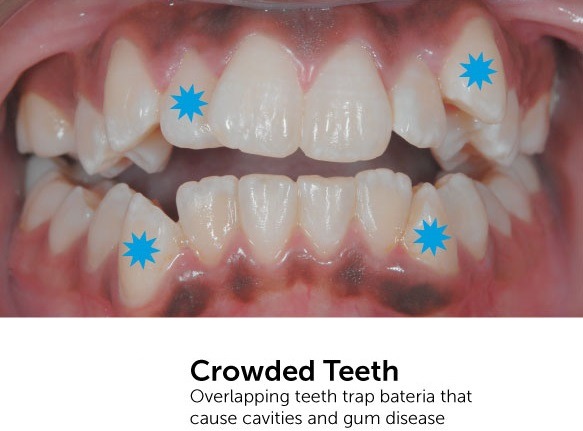
1. Crowded or Overlapping Teeth
Do your teeth overlap, twist, or seem packed too tightly together?
This is called crowding, and it’s one of the most common reasons for seeking orthodontic treatment.
Why crowded teeth matter:
- Harder to clean properly
- Increased risk of plaque buildup and gum inflammation
- Uneven tooth wear
- Alignment problems often worsen over time
When teeth are crowded, brushing and flossing become more difficult, which may increase your risk of cavities and gingivitis.
👉 Orthodontics help create proper spacing and align teeth for a healthier smile.
2. Gaps Between Teeth
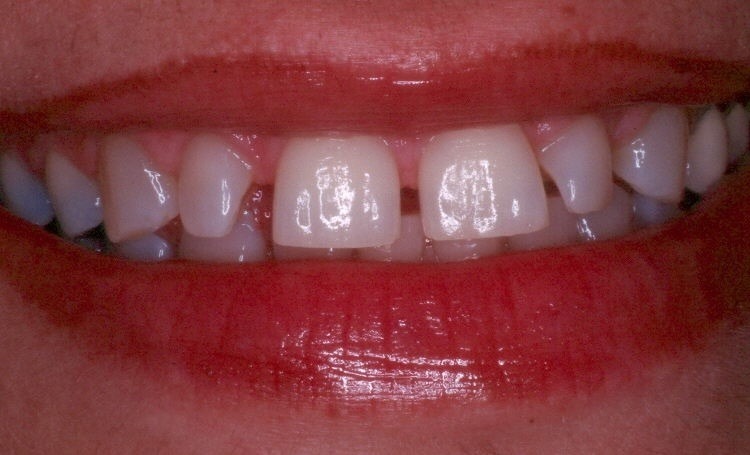
Small spaces between teeth may not seem like a big deal—but noticeable gaps (called a diastema) can sometimes point to bite or alignment issues.
Problems caused by gaps:
- Food getting trapped between teeth
- Gum irritation or inflammation
- Bite imbalance in some cases, leading to irregular wear
Many patients also choose treatment because gaps can affect smile confidence.
👉 Orthodontics help close spaces while improving function and appearance.
3. Overbite (Upper Teeth Stick Out)
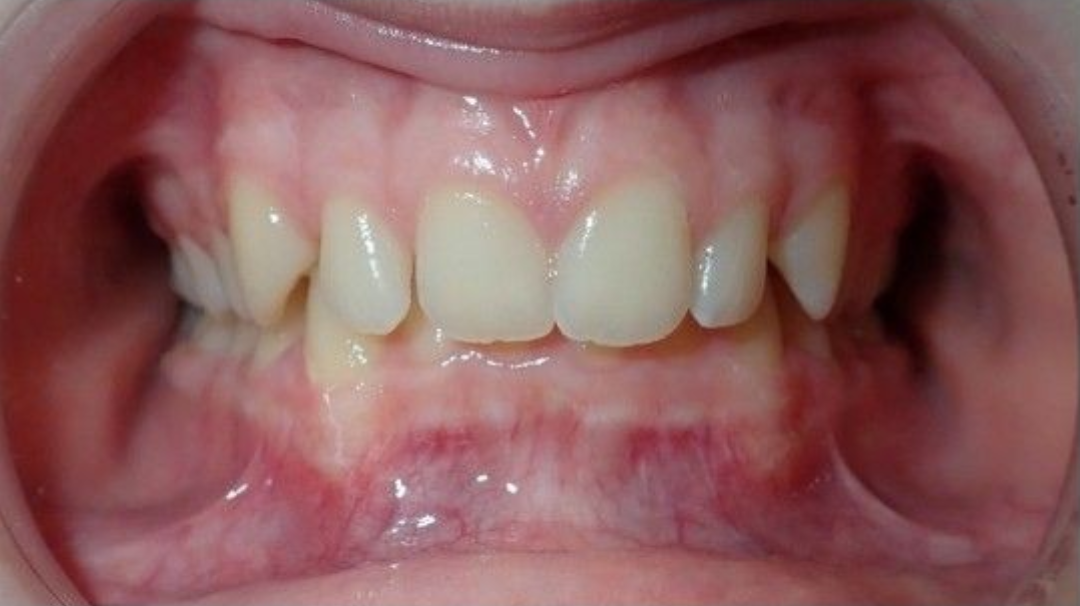
An overbite happens when your upper front teeth significantly overlap your lower teeth.
Signs an overbite may need treatment:
- Risk of gum irritation
- Dental treatment needed but dentist unable to do ideal, well-fitting work due to overbite
- Smile concerns or facial imbalance
- Irregular, progressive tooth wear
A severe overbite can affect both function and aesthetics over time.
👉 Orthodontics can improve bite alignment and protect your teeth long term.
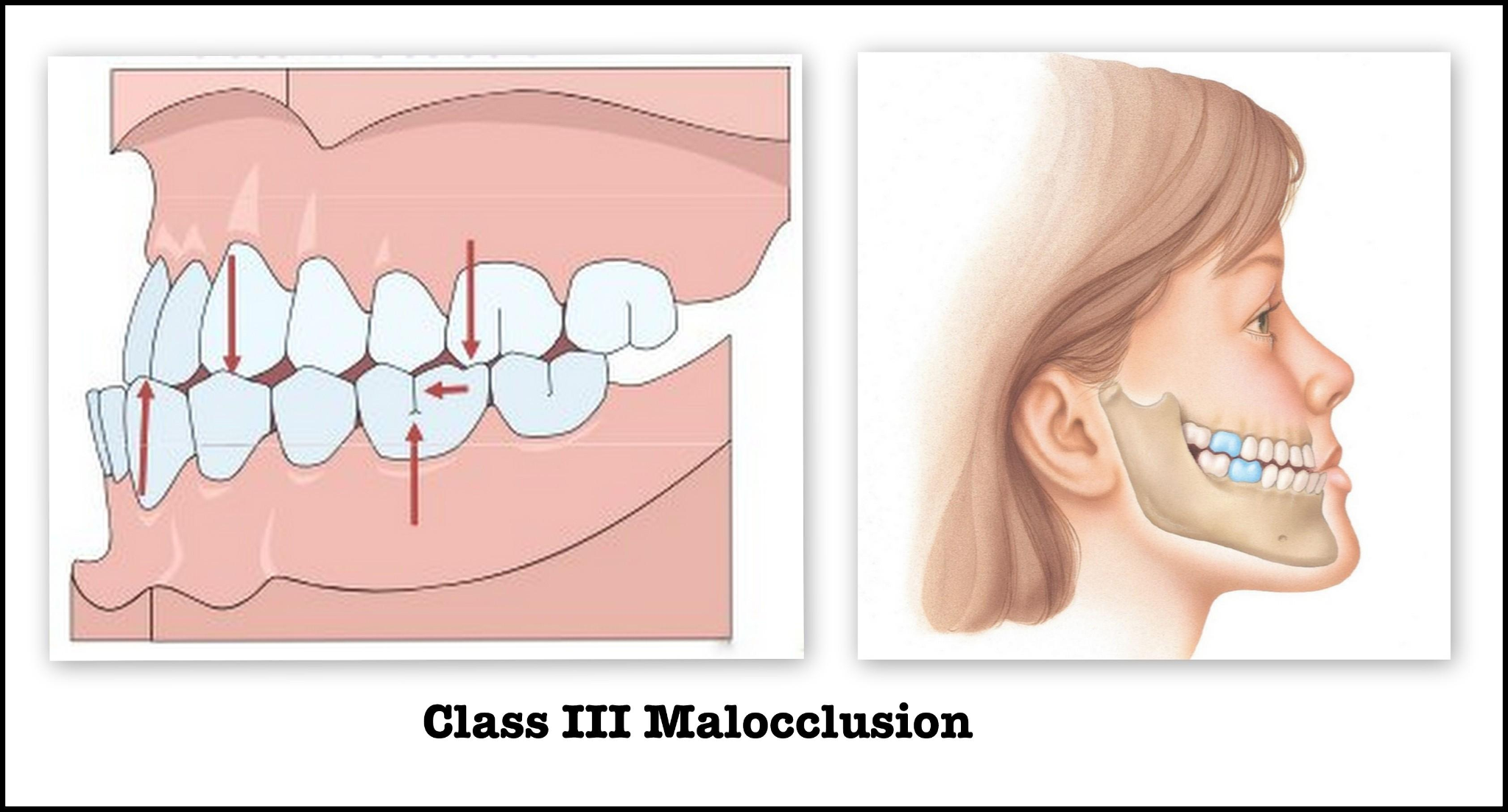
4. Underbite (Lower Teeth in Front)
An underbite is when the lower teeth extend past the upper teeth.
This type of bite issue can affect chewing, speech, and facial balance.
Why it’s a concern:
- Premature tooth wear
- Facial asymmetry
- Difficulty biting or chewing food
- Jaw discomfort or strain
Early orthodontic treatment is often especially beneficial for underbites. Depending on whether the underbite is caused by jaw alignment or teeth alignment, the treatment may be different.
👉 Orthodontics can help improve function, comfort, and long-term oral health.
5. Crossbites and end-to-end bite problems
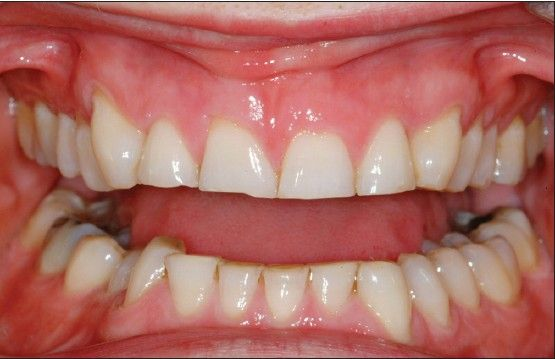
If any upper teeth touch on the inside of the lower arch of teeth when you bite—or your upper teeth hit edge-to-edge on top of the lower ones—you may have a crossbite or end-to-end bite.
These bite problems are often overlooked but can create long-term poor wear patterns on your teeth
Signs to watch for:
- Premature tooth wear
- Tooth chipping or trauma
- Jaw strain or headaches
- Uneven bite pressure
👉 Orthodontic treatment can improve alignment and reduce irregular tooth contact and premature wear
6. Open bite
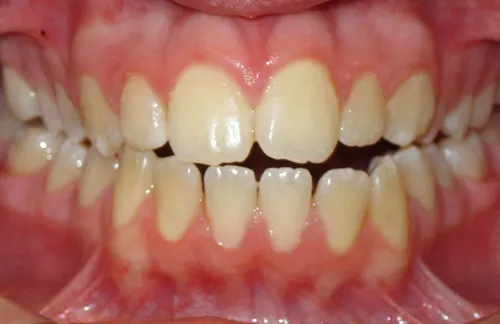
An open bite occurs some of the upper and lower teeth have a visible gap between them when you’re fully biting down
Consequences:
- Difficulty chewing food properly
- Uneven pressure on teeth
- Faster wear on certain teeth
- Possible speech challenges
👉 Orthodontics help improve bite balance and chewing efficiency.
7. Speech Problems or Lisping
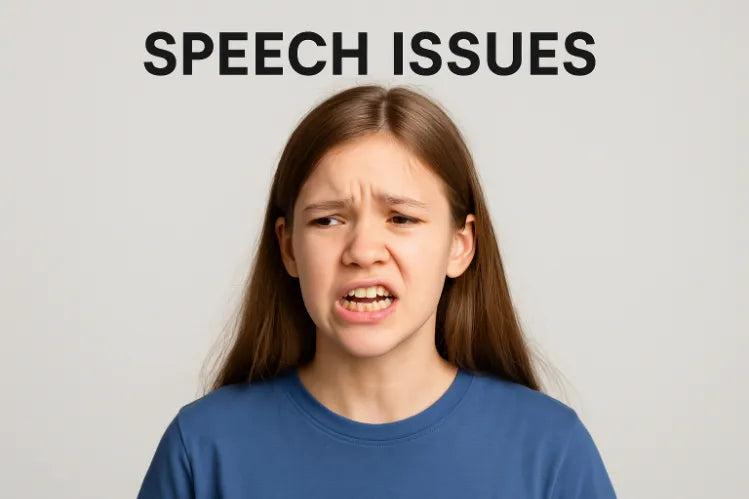
Your teeth play a big role in how you speak, especially during the developmental period from about age 7-10.
While minor alignment issues don’t affect speech, more severe bite or tooth positioning problems may contribute to:
- Lisping
- Difficulty pronouncing certain sounds
- Reduced speech clarity
In some cases, orthodontic treatment may improve speech function.
👉 An orthodontic evaluation can determine whether alignment is contributing to speech issues.
When Should You See an Orthodontist?
If you notice any of these signs, it’s a good idea to schedule a consultation.
Early evaluation can help:
- Prevent bigger dental problems later
- Reduce treatment complexity
- Save time and money long term
- Reduce treatment complexity
Many orthodontic issues are easier to treat when caught early. Some can’t be fixed at all later, or if they can, they require orthodontics combined with surgery.
Braces Aren’t Just for Kids
Think braces are only for kids and teenagers? Think again.
Modern orthodontic treatment works for patients of all ages.
Common options include:
- Traditional metal braces
- Ceramic (clear) braces
- Clear aligners (like Invisalign)
Adults are increasingly choosing orthodontics to improve both confidence and oral health.
The Bottom Line
Ignoring orthodontic issues today can sometimes lead to more complex dental problems later.
If you’ve noticed crowded teeth, bite problems, gaps, or speech changes, getting evaluated sooner rather than later can make a major difference.
A healthier, straighter smile isn’t just cosmetic—it can improve comfort, confidence, and long-term dental health.
Ready for a Straighter Smile?
Looking for braces in Orem, Provo, Lindon, Vineyard, Pleasant Grove, or surrounding areas? Our experienced orthodontic team is here to make your treatment as comfortable as possible.
📅 Book your consultation today and take the first step toward a confident, healthier smile—most patients are surprised at how comfortable braces actually are.