Waking up with jaw pain, headaches, or sore teeth? Learn how orthodontists choose the right night guard for teeth grinding and the early signs that treatment is working.
Do you wake up with jaw pain, headaches, facial tension, or teeth that feel sore in the morning?

If so, you may be grinding or clenching your teeth at night without realizing it.
Night grinding—commonly called bruxism—often happens while you sleep, making it easy to miss until symptoms become difficult to ignore. Over time, untreated grinding can wear down enamel, chip teeth, damage fillings, strain jaw muscles, and contribute to jaw discomfort.
Fortunately, the right night guard can help protect your smile and may relieve symptoms. But here is something many patients are surprised to learn:
The best night guard is not always the thickest, hardest, or strongest one. Also, it must be one you will actually wear consistently. So which kind is best for you?
Why Choosing the Right Night Guard Matters
When I notice signs of grinding or clenching in a patient, my goal is not simply to protect the teeth. I also want to choose an appliance that feels comfortable enough for daily, long-term use.
In orthodontics, success depends on consistency. Even the most advanced appliance will not work if its uncomfortable and ends up unused in the bathroom drawer.
That is why choosing a night guard starts with understanding your individual needs–past history of grinding, past performance of night guards you’ve used (if any), the severity of grinding, and presence/severity of any jaw discomfort.
Not All Teeth Grinding Is the Same
Every patient experiences bruxism and clenching differently.
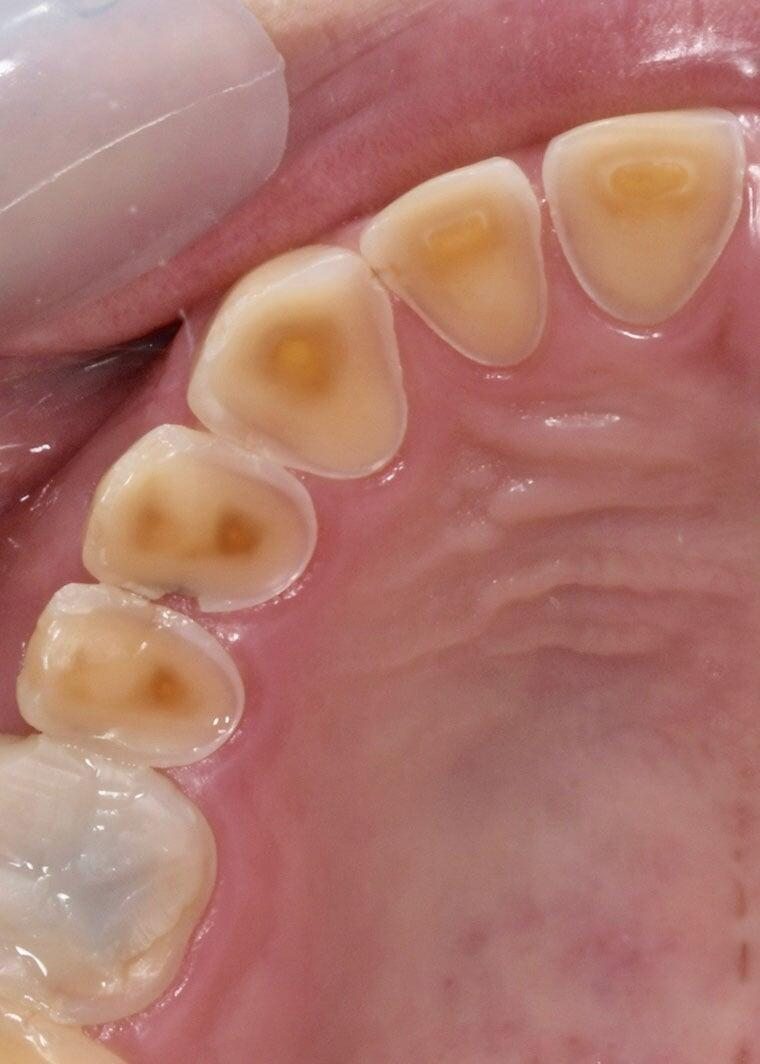
Some have only minor wear on their teeth, while others show advanced damage, including:
✔ Severely worn or chipped teeth
✔ Broken fillings or dental restorations
✔ Jaw soreness or facial muscle fatigue
✔ Morning headaches
✔ Jaw joint discomfort (TMJ)
For Mild Grinding: Prioritizing Comfort
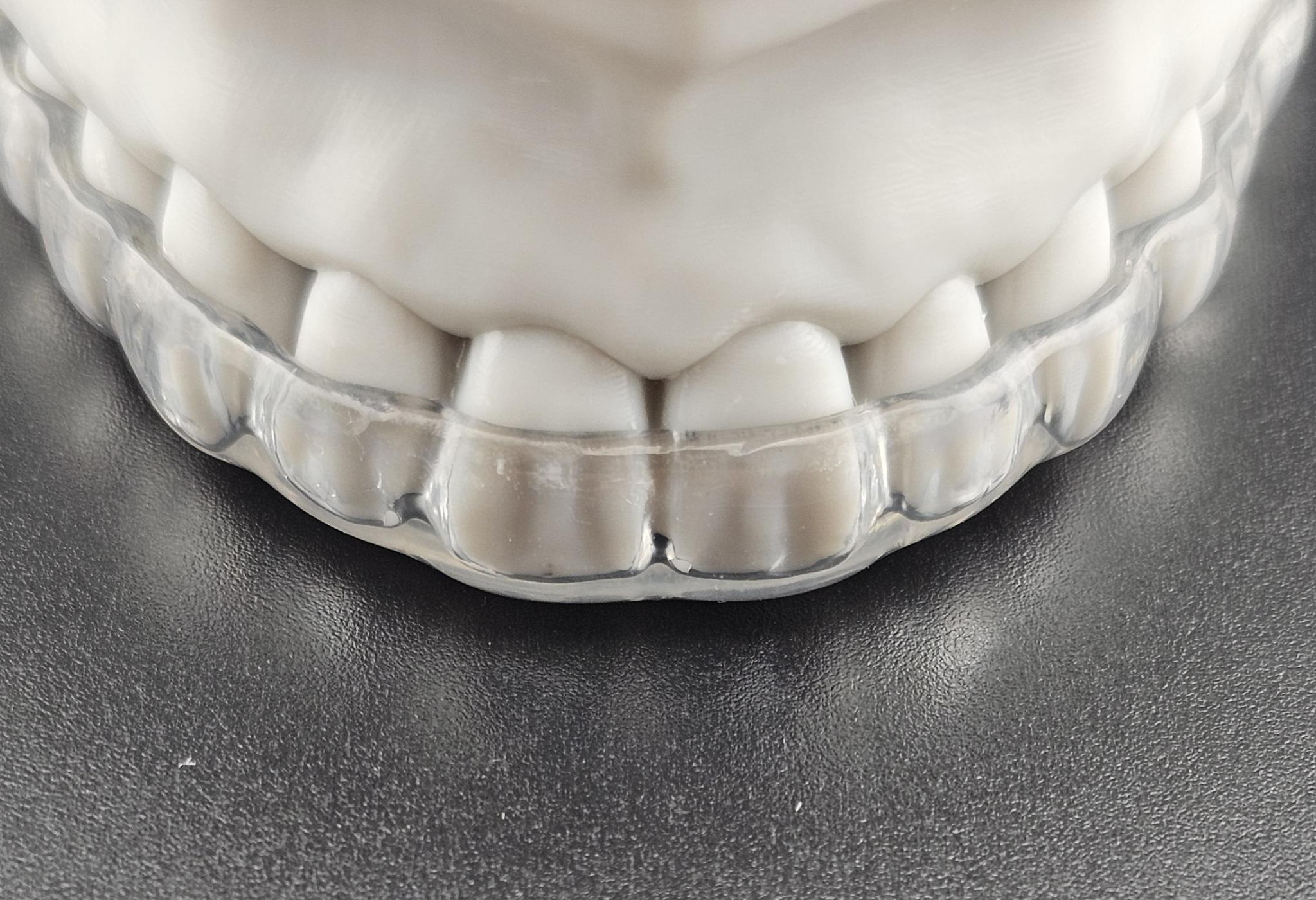
For patients with mild clenching or grinding, including usually for the first nightguard, I usually recommend a hard-soft night guard. These appliances are easier to adapt to and more comfortable to wear, making patients more likely to consistently wear them.
When a patient feels comfortable sleeping with their appliance, they are far more likely to wear it nightly. Comfort matters because compliance matters. Consistency is what protects the teeth over time.
For Moderate to Heavy Grinding: Stronger Protection, if it can be tolerated
Patients who grind more intensely and have worn through hard-soft nightguards in the past could benefit from a more durable, thicker, harder version designed to hold up for longer.
However, durability alone is never enough, and comfort is still part of the equation. If a night guard feels bulky, irritating, or uncomfortable, patients may stop wearing it. The goal is always to balance comfort, protection, and long-term wearability.
Why Patient Education Improves Results
One of the biggest predictors of success is helping patients understand why treatment matters.
When patients know how investment in a night guard protects their natural teeth, saving them pain, extensive time in the dental chair, and tens of thousands of dollars in dental treatment, it can improve motivation to wear it consistently.
I explain the types of nightguards and review with them their ability to comply, as well as future plans should a patient wear through a nightguard or not remain compliant with wear.
For first-time nightguard wearers, those who have changed from hard-soft to hard nightguards, and in any case we are worried or curious how they will develop, follow-up appointments can be useful. These visits allow us to confirm appliance comfort and make adjustments if needed. We also can inquire about the patient’s wear habits and check for signs of wear on the appliance and any progressive wear on the patients’ teeth.
How Do You Know If a Night Guard Is Working?
Depending on the symptoms a patient presents with, they may begin noticing improvements within the first few weeks, including:
✅ Reduced facial muscle tension or fatigue on waking
✅ Fewer headaches on waking
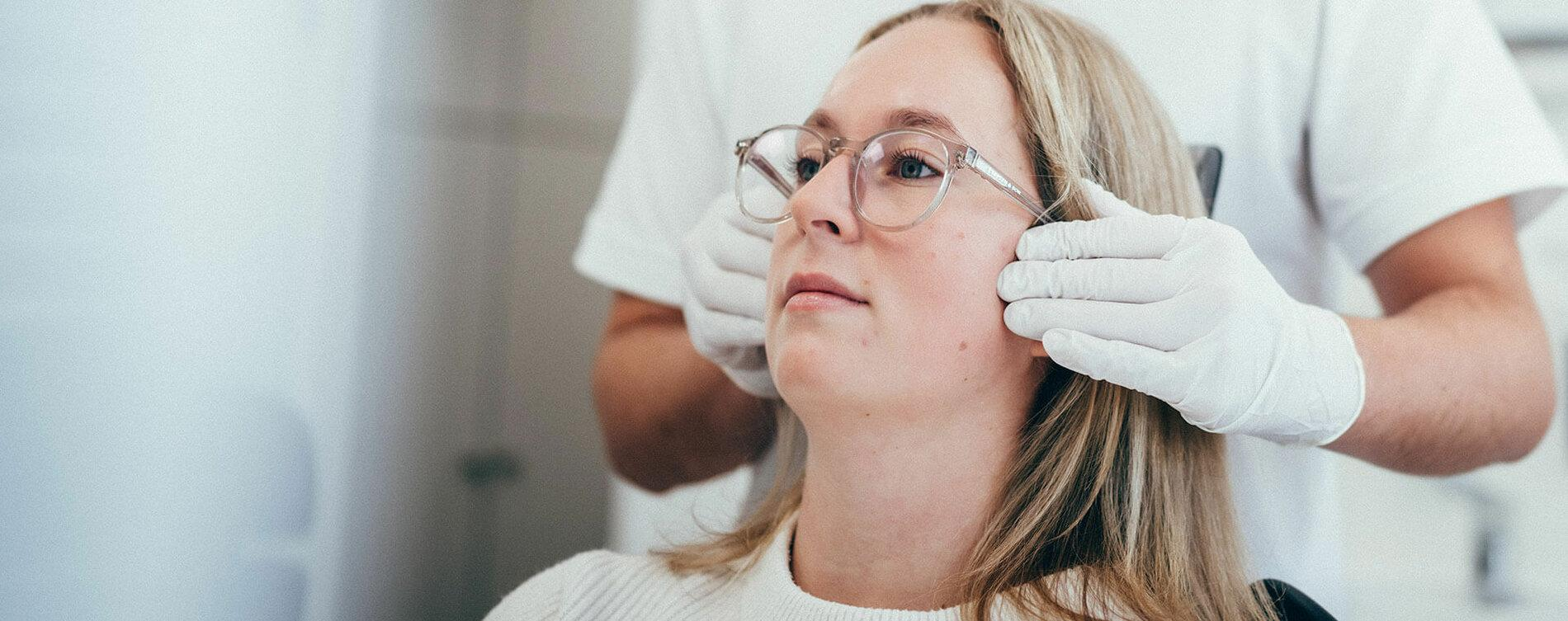
Clinically, I look for:
- Less muscle trigger point tenderness
- No new wear marks on the teeth
- Dental wear returns to standard rates
- No clenching-related damage to dental work
One of the most important points is that the patient actually wears it.
When someone consistently wears their night guard, especially if the patient experiences less discomfort when wearing the night guard, it is a strong sign that the appliance is both effective and comfortable.
The Best Night Guard Is the One That Fits Your Current Needs
There is no one-size-fits-all solution for teeth grinding.
The ideal night guard depends on your level of grinding, symptoms, dental condition, comfort preferences, history of night guard use, ability to tolerate different types of appliances, habits, and long-term wearability likelihood.
A successful treatment plan is not just about providing protection—it is about choosing a solution you can comfortably wear night after night.
I Have Symptoms of Grinding. What Do I Do Next?
If you wake up with jaw pain, headaches, tooth sensitivity, or suspect nighttime grinding, it may be time to speak with an orthodontic or dental provider about finding the right night guard for you.
Protect Your Smile from Night Grinding Protecting your teeth today can help prevent more serious dental problems tomorrow.
Whether you are experiencing clenching, grinding, or jaw tension, our experienced orthodontic team proudly serves patients in Orem, Provo, Lindon, Vineyard, Pleasant Grove, and surrounding areas with personalized care designed for comfort and long-term oral health.
📅 Book your consultation today and let us help you find a comfortable solution and protect your teeth–tailored to your needs.